What Brown Water Means for Your Plumbing System
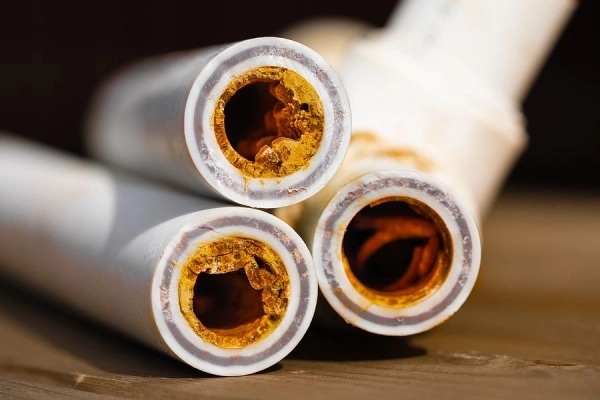
Rusty water isn’t just a cosmetic issue. Corrosion weakens pipes, increasing the risk of leaks, low water pressure, and sudden pipe failure. Over time, rust buildup can restrict water flow and cause uneven pressure throughout your home.
If left unaddressed, corroded water lines may begin leaking underground without obvious waing signs. This can lead to foundation damage, soil erosion, and higher water bills—often before homeowners realize what’s happening.
Health and Household Conces
While rust itself isn’t usually a major health risk, brown water can stain sinks, tubs, laundry, and appliances. It may also carry sediment or bacteria that affect water quality. For families with young children, elderly residents, or compromised immune systems, it’s especially important to take water discoloration seriously.
Clear, clean water shouldn’t be a guessing game. If discoloration lasts more than a short period, professional inspection is the safest move.
When Water Line Replacement Is the Best Solution
In many cases, recurring brown water means repairs aren’t enough. If your water line is severely corroded or nearing the end of its lifespan, water line replacement may be the most reliable option. Mode materials like copper or PEX provide cleaner water flow, improved durability, and long-term peace of mind.
A professional plumbing repair service can evaluate the condition of your water line using mode diagnostic tools and recommend whether repair or replacement makes more sense. While replacement is a larger investment upfront, it often saves homeowners from repeated repairs and ongoing water quality issues.
Trust the Experts at Mr. Rooter Plumbing
Brown or rusty water is your plumbing system’s way of asking for attention. Ignoring it can tu a manageable issue into a major repair. The right plumber will identify the source, explain your options clearly, and restore your water quality safely and efficiently.
At Mr. Rooter Plumbing, our experienced team provides trusted plumbing repair services, including expert water line replacement when needed. If your water doesn’t look or taste right, don’t wait. Schedule an inspection today and get your home’s water flowing clean and clear again.